Yamaha has built a strong reputation worldwide for its reliable engineering, durable vehicles, and rider-focused innovation. In India, the brand is already well known for motorcycles and scooters that combine performance with practicality. Now, industry discussions suggest that Yamaha may soon explore the rapidly growing electric bicycle segment, bringing its expertise to a new category of urban mobility.
Clean and Practical Design with Lightweight Build
The expected design philosophy of the Yamaha electric cycle will likely focus on simplicity, durability, and everyday usability. Instead of overly aggressive styling, the cycle may feature a clean and functional frame that supports comfortable riding for users across different age groups. This approach aligns with Yamaha’s history of producing machines that prioritize real-world usability.
The lightweight frame design could play a key role in improving efficiency and handling. A balanced geometry combined with ergonomic positioning may allow riders to maintain stability even in busy urban environments. Such a design also helps reduce rider fatigue, making the electric cycle more suitable for daily commuting and short-distance travel.

Impressive 150KM Riding Range on a Single Charge
One of the most talked-about aspects of the upcoming electric cycle is its expected 150KM riding range on a single charge. While final numbers will depend on riding conditions, terrain, and assist modes, this range could place the cycle among the more capable options in the electric bicycle category.
A longer riding range reduces the need for frequent charging and allows riders to comfortably complete daily tasks such as commuting to work, visiting markets, or traveling between nearby areas. For many urban users, a long-range electric cycle could replace short petrol vehicle trips, contributing to lower fuel expenses and reduced environmental impact.
Advanced Battery Technology and Easy Charging
The performance of any electric cycle largely depends on its battery system. Yamaha is expected to use a high-capacity lithium-ion battery that delivers reliable energy output while maintaining durability over time. Lithium-ion technology is widely preferred in modern electric vehicles because of its efficiency and longer lifespan.
Another advantage of lithium-ion batteries is their relatively faster charging capability. Riders may be able to charge the battery at home using a standard power outlet, making the process convenient for daily use. The removable battery option, if provided, could further enhance practicality by allowing users to charge it indoors.
Smooth Motor Performance and Assisted Riding Experience
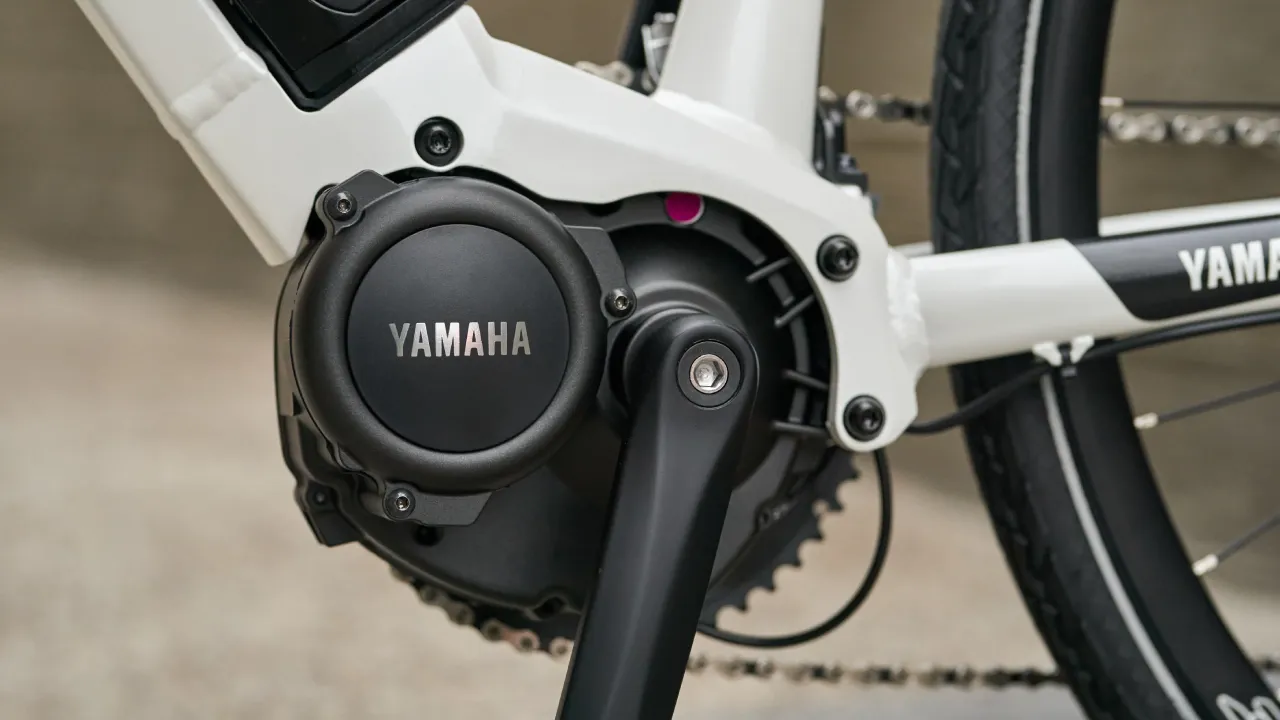
Yamaha’s decades of experience in motor engineering may translate into a smooth and efficient electric motor for this cycle. The motor is expected to focus on controlled power delivery, ensuring a comfortable riding experience rather than aggressive acceleration.
Electric cycles usually operate with pedal-assist technology, where the motor supports the rider’s pedaling effort. This system makes climbing slopes easier and helps riders maintain speed without excessive physical effort. For city travel, such assisted riding can significantly improve convenience and overall riding comfort.
Smart Features Designed for Modern Riders
Modern electric mobility products increasingly include digital technology, and Yamaha’s electric cycle may follow the same trend. A digital display panel could provide essential information such as speed, battery percentage, estimated range, and selected riding mode.

These smart features allow riders to monitor their journey more effectively. Some electric cycles also integrate mobile connectivity or riding statistics through companion applications. While official details are not confirmed, practical digital features could make the Yamaha electric cycle more appealing to tech-savvy riders.
Strong Focus on Safety and Riding Control
Safety remains a crucial factor in two-wheeler design, and Yamaha is expected to equip its electric cycle with reliable braking and control systems. Disc brakes on both wheels could provide strong stopping power, especially during sudden braking situations or wet road conditions.
Stable frame construction, responsive braking, and well-balanced weight distribution may further enhance riding confidence. These elements are particularly important for new riders who are transitioning from traditional bicycles to electric-assisted mobility.
Comfort-Oriented Ergonomics for Daily Commuting
Comfort is essential for riders who plan to use the electric cycle regularly. Yamaha may design the cycle with a relaxed riding posture, ensuring that riders can maintain comfort even during longer journeys. Proper handlebar positioning and frame geometry can reduce strain on the back and shoulders.
A well-cushioned seat and shock-absorbing suspension components may also improve ride quality on uneven city roads. Such comfort-focused features are particularly useful for commuters who rely on the cycle as a daily transportation solution.
Expected Specifications of Yamaha Electric Cycle
| Specification | Expected Details |
|---|---|
| Vehicle Type | Electric Bicycle (Pedal Assist) |
| Battery Type | Lithium-Ion Battery Pack |
| Estimated Range | Up to 150 KM (Depending on riding conditions) |
| Motor Type | Electric Hub Motor with Pedal Assist |
| Display | Digital LCD Display |
| Braking System | Front and Rear Disc Brakes |
| Charging Method | Home Charging via Standard Power Outlet |
| Target Usage | Urban Commuting and Short Distance Travel |
Expected Price and Market Position
Pricing will play a crucial role in the success of the Yamaha electric cycle. Industry expectations suggest that the company may position the product competitively to attract first-time electric mobility buyers and budget-conscious commuters.
An affordable price combined with Yamaha’s brand reliability could make the cycle appealing for students, office commuters, and environmentally conscious riders. If priced well, it may compete with both domestic electric cycle brands and international entries in the segment.


Hi, I’m Nadeem Ahmad, the founder and writer behind Pedego.I created this website because I have always been passionate about cars and the technology behind them. Over the years, I noticed many people struggle to find simple and trustworthy information about vehicles — most sites are either too technical or just copy specifications without real explanation.