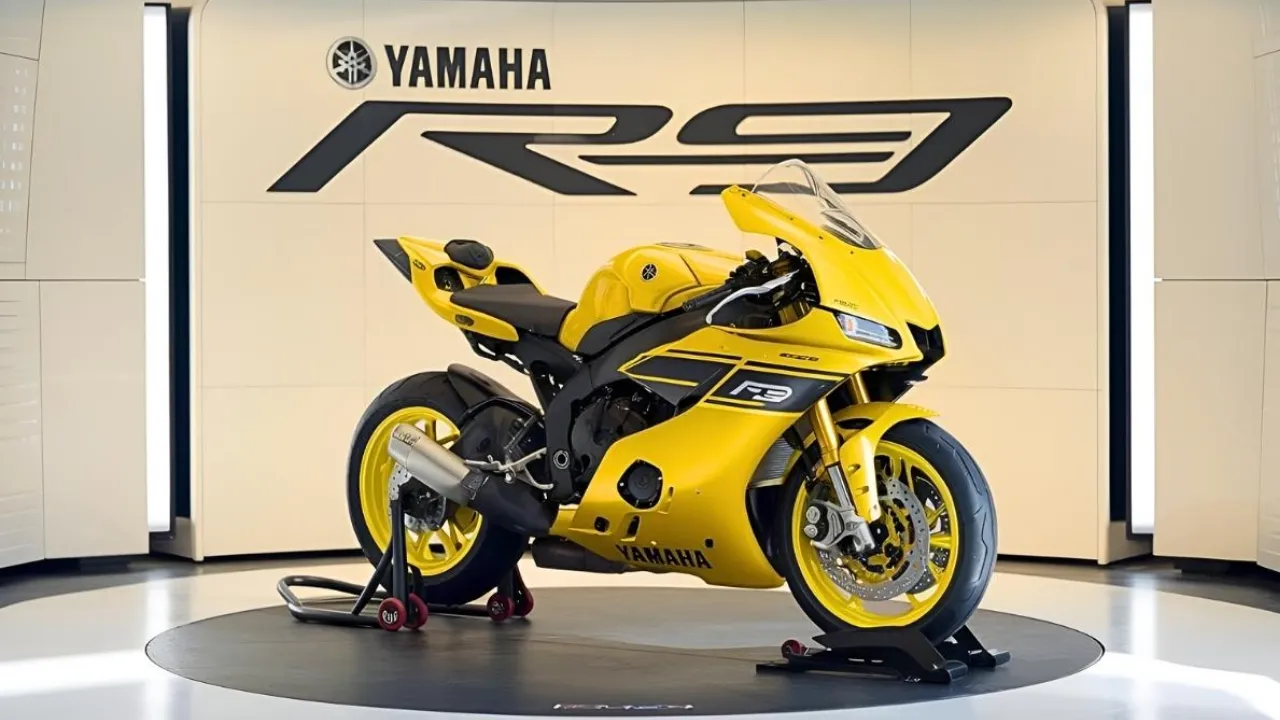
The 2026 Yamaha R9 has officially entered the global motorcycle spotlight, becoming one of the most talked-about launches in the modern supersport category. Yamaha designed this motorcycle to combine everyday usability with strong track-inspired performance, offering riders a machine that blends racing DNA with practical riding comfort.
Positioned between aggressive track machines and daily street bikes, the Yamaha R9 supersport introduces a balanced approach to performance riding. Its refined engineering, aerodynamic styling, and modern electronic systems demonstrate Yamaha’s commitment to evolving the middleweight supersport segment while keeping the motorcycle suitable for real-world roads.
Yamaha R-Series Legacy and the Introduction of the R9
The Yamaha R-Series lineup has long been associated with racing heritage and precision engineering. Legendary models such as the R1 and R6 established Yamaha’s reputation for producing high-performance sport motorcycles designed with track performance in mind.
The new Yamaha R9 continues this legacy but introduces a more versatile philosophy. Instead of focusing only on maximum top-end power, Yamaha engineered the R9 to deliver usable performance across city streets, highways, and spirited riding environments while maintaining rider confidence and reliability.
Three-Cylinder Engine and Balanced Performance
At the heart of the 2026 Yamaha R9 is a refined three-cylinder engine derived from Yamaha’s proven middleweight platform. This engine configuration is known for delivering a balanced mix of torque, smooth acceleration, and responsive throttle behavior.
The power delivery is intentionally linear, allowing riders to manage acceleration with precision. This approach makes the R9 engine performance accessible to a wider range of riders, including experienced enthusiasts and those upgrading from smaller displacement sport motorcycles.
Aggressive Aerodynamic Design Inspired by Racing
The design language of the Yamaha R9 follows the aggressive styling associated with the R-Series lineup. Sharp body panels, aerodynamic fairings, and a sculpted fuel tank create a bold appearance that reflects Yamaha’s racing background.
The fairing structure is not only visual but also functional. The aerodynamic bodywork helps improve airflow at higher speeds, reducing drag while maintaining stability for the rider. Modern LED lighting and signature Yamaha colors further strengthen the bike’s sporty identity.
Modern Technology and Electronic Rider Aids
The 2026 Yamaha R9 technology package includes a full-color TFT digital display that presents important riding information in a clear and organized layout. Riders can quickly view speed, gear position, riding modes, and other key data while riding.
Advanced rider assistance features include traction control, ride-by-wire throttle, selectable riding modes, and a quick-shifter system. These electronic systems help enhance safety and control while allowing riders to customize the motorcycle’s behavior based on road conditions.
Chassis Engineering and Handling Characteristics
The Yamaha R9 chassis has been engineered to deliver responsive handling without sacrificing stability. The frame structure and lightweight components allow the motorcycle to remain agile while maintaining confidence during higher-speed riding.

The suspension setup is tuned to balance comfort and performance. This means the R9 handling dynamics remain predictable whether navigating city streets, winding roads, or open highways, giving riders a stable and controlled riding experience.
Comfort and Everyday Riding Practicality
While the R9 clearly embraces a supersport identity, Yamaha also focused on improving everyday riding comfort. The ergonomics offer a sporty riding posture while reducing excessive pressure on the wrists and back during longer journeys.
The seat design provides adequate cushioning, and Yamaha has addressed vibration control and heat management to improve long-distance comfort. These details help ensure the Yamaha R9 daily usability remains practical for commuting and weekend rides.
2026 Yamaha R9 Specifications
| Specification | Details |
|---|---|
| Engine Type | Liquid-cooled 3-cylinder engine |
| Displacement | Approximately 890cc |
| Transmission | 6-speed gearbox with quick-shifter |
| Display | Full-color TFT digital display |
| Rider Aids | Traction control, ride modes, ride-by-wire |
| Lighting | Full LED lighting system |
| Category | Middleweight Supersport Motorcycle |
Market Position and Target Riders
The Yamaha R9 middleweight supersport targets riders who want strong performance without moving to extremely powerful liter-class motorcycles. It appeals to enthusiasts seeking a blend of power, technology, and manageable handling.
In the competitive middleweight sportbike category, the R9 stands out due to its unique three-cylinder engine layout, refined electronics, and balanced riding dynamics. Yamaha aims to position the motorcycle as a premium option that delivers both excitement and practicality.
Final Thoughts on the 2026 Yamaha R9
The arrival of the 2026 Yamaha R9 represents an important step in Yamaha’s evolving supersport strategy. By combining aggressive design, advanced rider technology, and everyday usability, the motorcycle reflects the changing expectations of modern riders.
With its balanced engine performance, improved comfort, and modern electronics, the Yamaha R9 supersport bike demonstrates how performance motorcycles can remain exciting while still being practical for real-world riding environments.
Disclaimer: This article is for informational and editorial purposes only. Specifications, features, and availability of the Yamaha R9 may vary by region and are subject to change by the manufacturer. Readers should confirm official details with authorized Yamaha dealers before making purchase decisions.


Hi, I’m Nadeem Ahmad, the founder and writer behind Pedego.I created this website because I have always been passionate about cars and the technology behind them. Over the years, I noticed many people struggle to find simple and trustworthy information about vehicles — most sites are either too technical or just copy specifications without real explanation.